
For freight forwarders, customs brokers & 3PLs

Custom software development for logistics.

Build customer portals, connect carrier systems, and improve freight and warehouse workflows to reduce manual checking.

  • Customer & agent portalsBooking, tracking, and account access
  • Freight & warehouse systemsShipment and inventory workflows
  • Integrations & upgradesEDI, API, and staged improvements

What we deliver

Build and improve the systems your business runs on.

For freight forwarders, customs brokers, and third-party logistics (3PL) providers: start with the booking, shipment, or warehouse workflow you need to improve.

Illustrative photo of a logistics coordinator using a shipment portal beside a loading dock
Customer self-service

Customer and agent portals

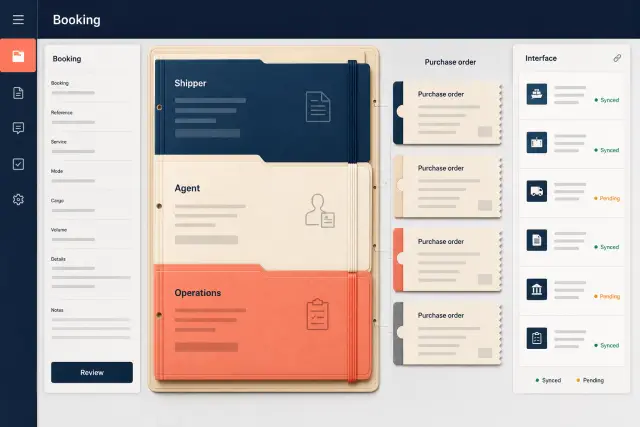
Give customers and agents a way to book shipments, check status, and find past records through a portal connected to the systems your team uses.

  • Bookings and purchase orders
  • Shipment tracking and history
  • Record access by customer account
Explore an agent booking portal
Illustrative photo of pallets and high-bay shelving in an organized freight warehouse
Shared freight records

Freight and warehouse systems

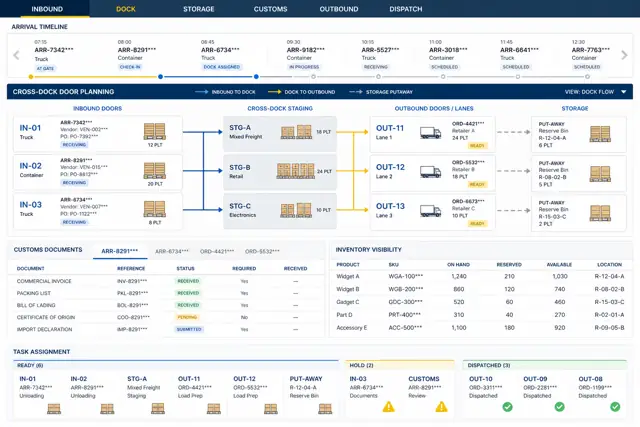
Give forwarding, customs, and warehouse teams consistent shipment and inventory information as work passes between them.

  • Order, shipment, and inventory workflows
  • Warehouse processing and cross-docking
  • Role-based views and document status
Explore freight and warehouse work
Illustrative photo of a container ship alongside a modern terminal at dusk
Carrier and partner data

System and data integrations

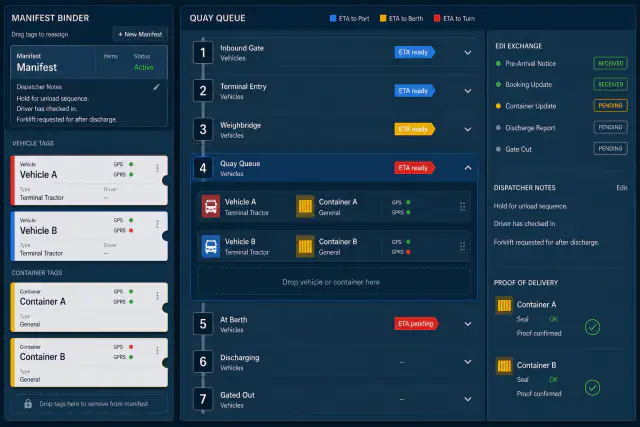
Exchange shipment updates and order data with carriers and partners through EDI, API, or other supported interfaces. Define how teams handle missing or conflicting records.

  • EDI, API, and supported system interfaces
  • Shipment and order data exchange
  • Data mapping and exception handling
See an EDI and tracking example
Illustrative panoramic photo of a logistics operations control room
Live systems

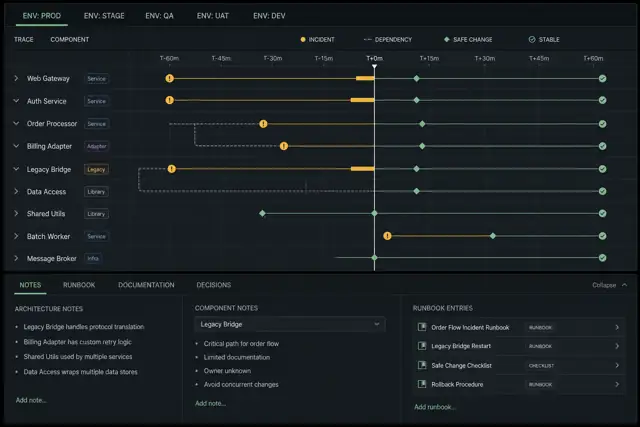
System upgrades and ongoing development

Take over, extend, or modernize the systems you already run. Keep core freight workflows in place while we add features, connections, or phased upgrades.

  • System review and vendor transition
  • New features and phased modernization
  • Data retention and access checks
Discuss an upgrade path

How we work

Make changes in stages around bookings, shipments, and warehouse handoffs.

We start with how your teams handle bookings, shipment updates, and warehouse handoffs. Together we agree what to change and what to test before release.

  1. Map the workflow

    Review the systems, business rules, and records involved. Agree which records need to be kept and who needs access to them.

    Before development Dependencies and data requirements

  2. Build in stages

    Deliver a portal feature, data connection, or system update in stages your team can review. Confirm the business rules as you go.

    For your review Working features and open issues

  3. Test workflows and access

    Test the affected booking, shipment, or warehouse workflows. If records move, check that authorized users can still find them and that permissions work as agreed.

    Before go-live Test results and release approval

  4. Launch and support

    Document the changes and agree who owns ongoing support, how to escalate issues, and which improvements come next.

    After release Documentation and support responsibilities

Challenges we hear most

Where logistics work slows down.

A new customer requirement or a recurring problem can affect several systems. Start by identifying the workflow and the tools it depends on.

MULTI-SYSTEM CHANGE

New customer requirements span more than one system

A new customer requirement can involve the portal, order system, and internal tools at the same time. Changes need to carry through the full workflow so staff can deliver the service consistently.

MANUAL RECONCILIATION

Status and records still need manual checking

When shipment updates, orders, and warehouse records sit in separate systems, staff spend time checking and re-entering information. The next integration needs to fit how records are used across offices and partners.

LEGACY OWNERSHIP

Limited knowledge of older systems slows the next change

When the people who built a system are no longer available and documentation is incomplete, even a small change can be hard to assess. We clarify business rules and dependencies before planning larger upgrades.

Tell us which booking, shipment, or warehouse workflow you want to improve.Speak with our team

Before we start

Questions teams ask
before they reach out.

Do you sell a ready-made TMS or WMS?

We provide custom software development, rather than a ready-made transportation management system (TMS) or warehouse management system (WMS). We can build or extend portals and operational tools, or connect an existing platform through the interfaces it supports. We review your workflows and available access before recommending a scope.

Can customers still access past shipment records after an upgrade?

We use your retention and confidentiality requirements to agree which shipment and customs records to keep and who can access them. If records move, we check that authorized users can still find them before release.

Can you improve our systems while we keep using them?

We plan changes in stages and test the affected booking, shipment, and warehouse workflows before go-live. Your operations and IT teams agree when to release each change and who handles support.

Can you connect our existing systems to carriers and partners?

We check the electronic data interchange (EDI) formats and application programming interfaces (APIs) your systems support, along with the access available. We then validate a shipment update or order exchange using sample data and a test environment before expanding the integration.

Can you take over software built by another vendor?

We start by confirming access to the code and deployment environment, then review the available documentation and the workflows your team relies on. Together, we agree what needs attention first and who supports the system during the transition.

How do you handle confidentiality and security?

Before work begins, we agree on confidentiality terms, access permissions, and how shipment and customs data will be handled. If your engagement requires a security certification, we confirm which delivery entity and systems it covers.

What should we bring to a first conversation?

A short description of the workflow, who uses it, and what needs to stay in use is enough to start. For an integration, tell us which systems are involved and what kind of data you need to exchange, such as a shipment update or bill of lading.

Get in touch

Tell us what you want to build or improve.

Share a short description of the work. In a first conversation, we can discuss the systems involved, what needs to stay in use, and where to start.

Response within 1 business day.