For energy, water & connected assets

Energy & utilities
software development for daily operations.

Connect assets, field teams, and business data. Modernize the applications your operations depend on, or turn a specific workflow into a useful first release.

  • Field to officeDevices, applications, and shared data
  • Built around operationsPlanning, reporting, and daily workflows
  • From MVP onwardDevelopment, modernization, and support

What we can build

Find the workflow
you need to improve.

Start with the site, the team, and the decision. Connect equipment data, replace a critical spreadsheet, or make a field process easier to run.

01 / CONNECTED ASSETS

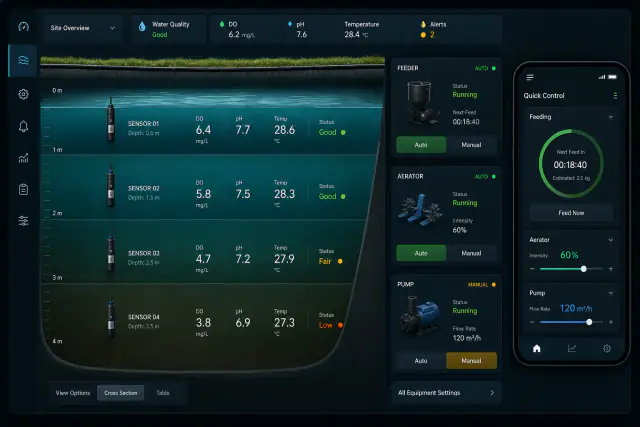
Asset monitoring & remote telemetry

Connect equipment readings to the site, device, and history an operator needs to understand them.

  • Sensor readings, alerts & equipment history
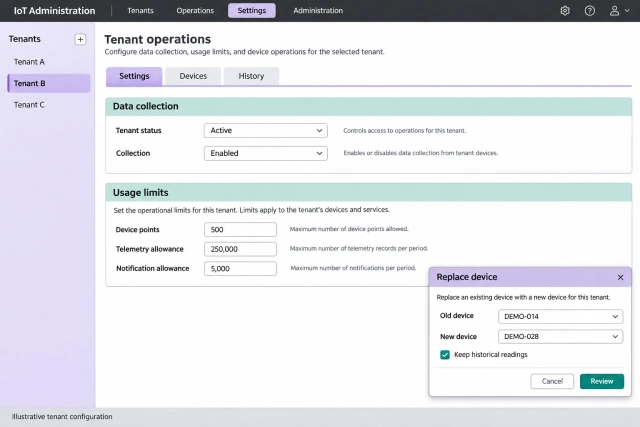
  • Device onboarding, replacement & tenant access
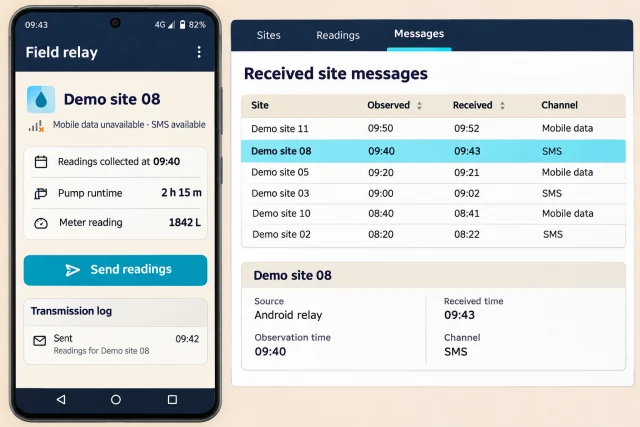
  • Weak-network delivery & data synchronization

Explore remote water monitoring
02 / PROJECT OPERATIONS

Resource planning & project operations

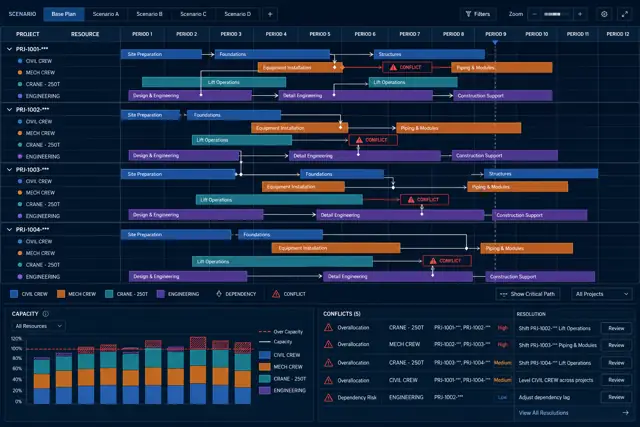
Make specialist availability, project demand, and allocation conflicts visible in one planning workflow.

  • Workforce capacity, skills & assignments
  • Project schedules & resource conflicts
  • Historical data migration & planning reports
Explore energy resource planning
03 / FIELD WORK

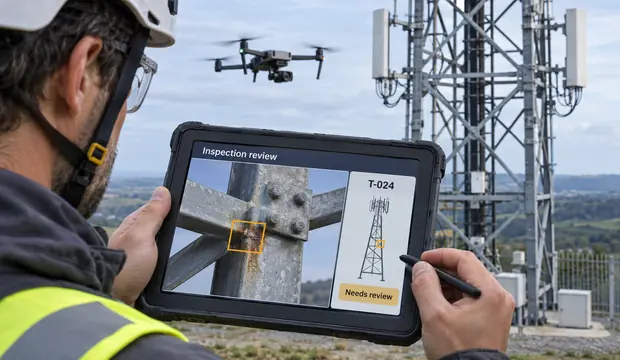
Field apps, drone inspection & defect review

Build field apps and drone-inspection workflows that connect imagery, asset records, and reviewable defects, with offline capture where sites need it.

  • Drone imagery & asset-linked inspection records
  • Defect annotation, review & maintenance follow-up
  • Mobile, 3D & mixed-reality inspection views
Explore drone inspection work
04 / RENEWABLE ENERGY BUSINESS

Solar pricing & commercial workflows

Move project models out of isolated spreadsheets and connect partner submissions with the commercial records your team uses.

  • Power purchase agreement (PPA) pricing tools
  • Scenario comparisons & project documents
  • Partner portals & CRM integration
Explore a solar pricing platform
05 / OPERATIONAL INTELLIGENCE

Operational data, reporting & AI agents

Connect operational data and business systems with AI agents that find relevant knowledge, prepare work orders, and turn daily records into useful reports.

  • Maintenance knowledge & source-backed answers
  • Alert triage & work-order preparation
  • Operational dashboards & automated reporting

Use source references, role-based access, and human approval for actions that change operational records.

Explore AI workflow automation

Selected work

From site data
to working software.

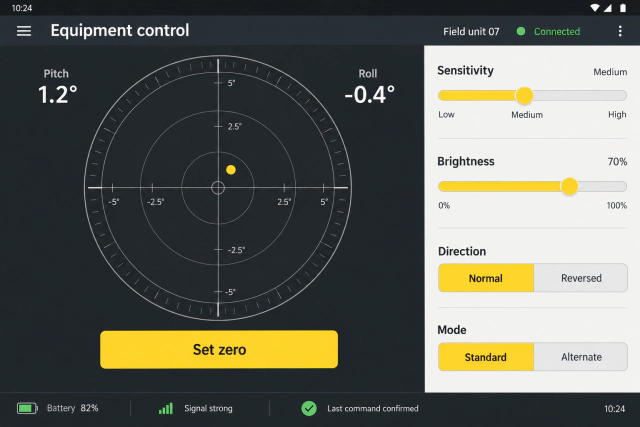
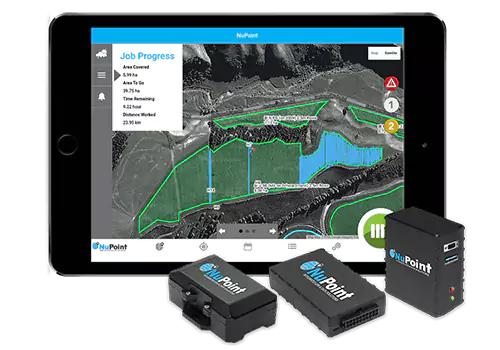
Explore remote monitoring, equipment control, and field operations through energy, water, and related IoT projects.

Connected systems & platforms

Make data useful
across the operation.

A connection is useful when teams can trust what a reading or record means, where it came from, and whether it is up to date.

Device data, context & continuity

Plan identifiers, units, timestamps, and retention alongside the connection. Handle delayed or duplicate readings, device replacement, and recovery so that equipment history stays useful.

  • ThingsBoard
  • Device APIs
  • Time-series data
  • Offline sync
Explore device data continuity

Business platforms & operational reporting

Connect project, partner, and customer records with the systems your business already uses. Build reports around capacity, submissions, site history, and work awaiting review, with a clear route back to the source data.

  • Dynamics 365
  • AWS
  • .NET
  • SQL Server
Explore solar platform integration

We confirm vendor access, interface versions, data ownership, licensing, and test environments before committing to a connection. Changes involving operational equipment are scoped and validated with your responsible teams.

Delivery & continuity

Keep daily operations
in view.

Bring the people who run the sites, manage the data, and maintain the systems into the decisions that shape each release.

  1. Map the operating workflow

    Identify users, equipment, data owners, dependencies, and the decisions the application needs to support.

    A shared starting pointWorkflow, interfaces, constraints, and owners

  2. Prove a useful first slice

    Validate a connection, calculation, or field task with representative data and the people who will use it.

    Reviewable evidenceWorking increment and acceptance results

  3. Test the difficult conditions

    Include lost connectivity, stale readings, access failures, concurrent changes, and recovery in the test plan.

    Operational checksFailure paths, data checks, and user review

  4. Transition with a clear owner

    Agree migration checks, cutover, rollback, documentation, and support before changing a live workflow.

    Continuity after launchRelease plan, handover, and maintenance scope

IT, operational technology, and security owners agree access boundaries, audit needs, and release approval. Work that affects physical equipment requires its own validation criteria and operating authorization.

Ways to get started

Choose a useful first step.

Bring a field problem, a spreadsheet, or an existing application. We can define a manageable starting point together.

ONE CONNECTION

Validate the data path

Use a device, sample dataset, or vendor test environment to prove how information reaches the application and how failures will be handled.

ONE WORKFLOW

Modernize a critical process

Choose a planning, pricing, reporting, or field task. Agree the rules, existing data, and first release before expanding the scope.

AN EXISTING PRODUCT

Extend your delivery team

Start with a bounded change to review how we work together. A one-week trial can help assess fit when access, scope, and terms are agreed.

Tell us where the workflow breaks down or what you want to build.Discuss your project

Before we start

Questions worth
resolving early.

Existing systems, field connectivity, data access, and the work after the first release.

Can you connect to our existing SCADA, devices, or business systems?

We start with the interfaces the vendor exposes, available documentation, data formats, credentials, and a test environment. A first step can be a read-only data connection using representative records. Any change that sends commands to operating equipment needs a separate scope, authorization, and validation with your operational technology team.

Can field applications work with unreliable connectivity?

We can design local capture, queued updates, synchronization, and visible delivery status around the conditions at your sites. The approach depends on the device, data volume, and available network. Our remote-water case used Android relay applications and SMS where conventional mobile data was limited; SMS still required a usable cellular signal.

Can you modernize a system while it is still in use?

Yes. We can assess the application, choose a bounded workflow or component, and plan a staged transition. Historical records, reconciliation, parallel checks, backup, and rollback are part of the release discussion. We validate the approach against your operating constraints before cutover.

How do you handle security and operational technology boundaries?

We work with your IT, operational technology, and security owners to define data access, user roles, audit events, encryption, and environment boundaries. Vendor permissions, test access, and release approval are agreed before integration. Applicable compliance requirements and specialist validation remain part of the project scope and acceptance plan.

Where do AI and predictive maintenance fit?

Start with a question that the available data can support, such as finding a record, preparing a report, or flagging a pattern for review. Predictive maintenance needs suitable historical data, evaluation against real operating conditions, and an agreed response to false alarms. We define those requirements before treating a model output as an operational decision.

What determines cost, timing, and ongoing support?

The first release depends on workflow complexity, data quality, interface access, device availability, and field-testing needs. We agree dependencies, acceptance criteria, and review points before development. Repository access, documentation, maintenance, monitoring, and support ownership are defined for the work after launch.

Get in touch

Ready to build software that fits your business?

Tell us what you need to build, modernize, automate, or augment with AI. We can start with a focused discussion or a no-risk 1-week trial.

“A fantastic company to work with.” After the initial rapid development project, American Shipping Co. kept two Shinetech developers embedded for nearly four years, supporting internal and external tools and new AI initiatives.
Marc Greenberg testimonial portrait Marc GreenbergCEO, American Shipping Co. - 5-star Google Review

Response within 1 business day.

Awards & Certifications

IAOP The Global Outsourcing 100 Gartner Cool Vendor Cyber Essentials Certified Plus ISO 27001 Microsoft Gold Certified Partner Adobe Magento Solution Partner Odoo Partner Shopify Select Partner ISO 9001